
Ramadan Fasting: Tips for a Healthy and Energised Fast
Ramadan is the time of profound spiritual reflection, community and self discipline. For millions of Muslims across the globe; to be precise over 1.9 billion worldwide begin on this share fast; as per the Ramadan fasting rules which are not just an obligation but a way of living with empathy and personal growth. You can be a student who is balancing exams, or a professional making way through a busy career or someone checking out for the first time.
Understanding the rules of fasting in Ramadan isn't just about abstaining from food and water; it’s about nourishing the soul while keeping the body resilient. This guide explores the essential Ramadan fasting guidelines, offering practical advice for students, working professionals, and travelers to ensure this month is one of growth rather than exhaustion. By following a balanced diet during Ramadan and sticking to a few healthy fasting tips in Ramadan, you can maintain your energy from Suhoor to Iftar.
Key Features and Benefits of Ramadan Fasting
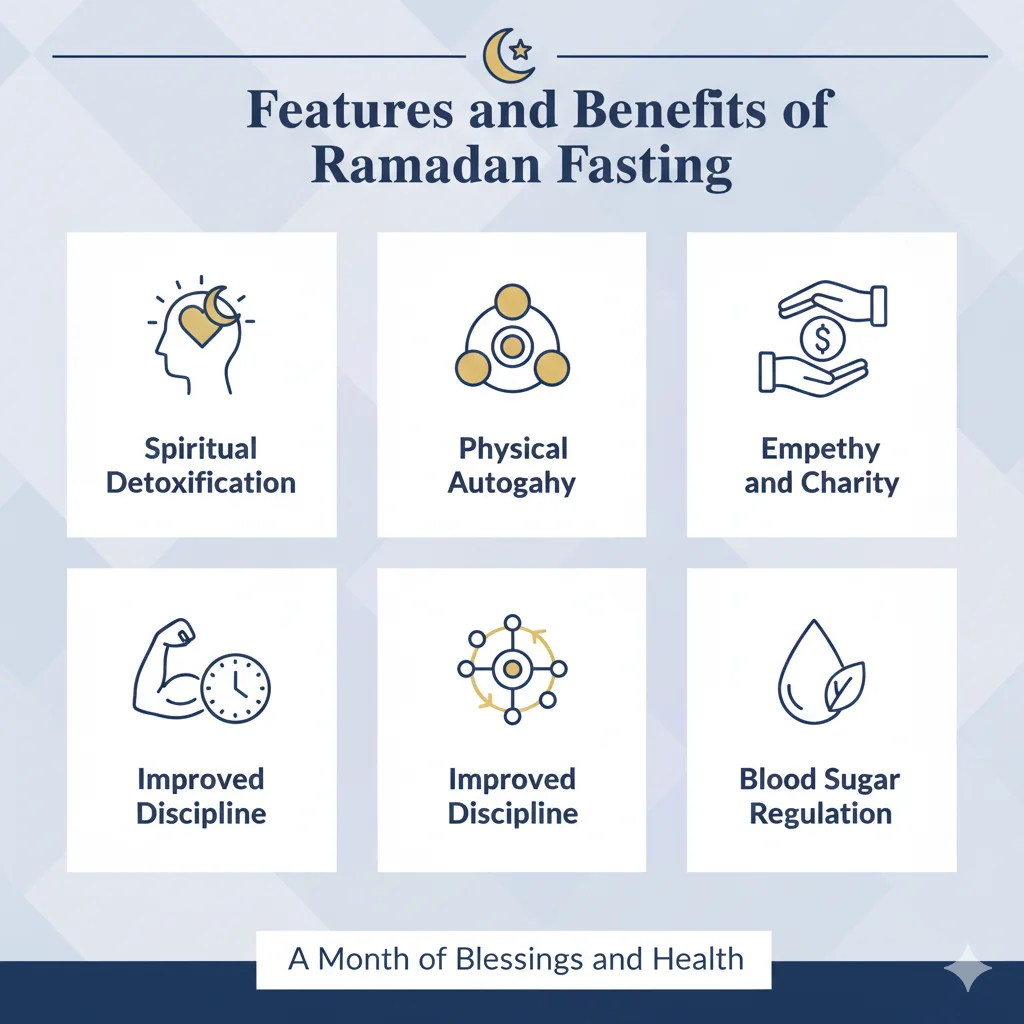
Fasting is one of the Five Pillars of Islam, but its impact stretches far beyond religious obligation. Here are the core Ramadan fasting health benefits:
- Spiritual Detoxification: Ramadan provides a dedicated time for self-reflection, increased prayer, and detaching from worldly distractions.
- Physical Autophagy: Scientifically, fasting triggers cellular repair. You can read more about the health benefits of Ramadan fasting to understand how the body heals itself.
- Empathy and Charity: By experiencing hunger, observers develop deeper compassion for the less fortunate, often increasing their charitable acts (Zakat).
- Improved Discipline: Sticking to Ramadan fasting rules builds mental toughness and better time-management skills.
- Blood Sugar Regulation: Maintaining a balanced diet during Ramadan is tough but it can help improve insulin sensitivity and heart health. So, you should definitely try to keep a balanced diet.
Essential Ramadan Fasting Guidelines
Navigating the rules of fasting in Ramadan can be confusing for beginners or those managing complex modern lifestyles. Here is a breakdown of the core fasting rules in Islam:
The Basic Do’s and Don’ts
The fast begins at the break of dawn (Sehri/Suhoor) and ends at sunset (Iftar). During these hours, one must abstain from eating, drinking, smoking, and marital relations. However, the "spirit" of the fast also requires refraining from lying, gossiping, or fighting.
Ramadan Fasting Rules for Women
The pregnant, breastfeeding or menstruating women are exempt from fasting if it poses a risk to their health or that of the child. Otherwise the missed fasts due to menstruation must be made up later in the year. It’s a time for women to focus on other forms of worship like Dhikr and Dua.
Ramadan Fasting Rules While Traveling
While travelling a significant distance, as per Islamic law you’re permitted to break your fast if it becomes difficult. These days can be made up after Ramadan.
If you are traveling a significant distance (traditionally over 80km), Islamic law permits you to break your fast if it becomes difficult. These days must be made up after Ramadan. When it comes to long haul trains or flights, the rule stays as a mercy to deal with exhaustion.
Fasting for Students and Professionals
Modern life doesn’t stop as the holy month of Ramadan begins. The individual who's working long hours, it’s essential to practice “mental fasting”; refraining from stress and anger. Make sure that the work area has got good ventilation to handle the heat and use your lunch break for a short power nap or meditation for productivity. To learn more you can go through our guide on a productive daily morning routine for Ramadan.
Comparison: Essential Ramadan Practices & Timings
For managing your day in an effective way, here is a quick look at the essential points to remember for your typical fasting day.
| Practice | Timing | Purpose | Key Requirement |
| Sehri (Suhoor) | Before Dawn (Fajr) | Sustenance for the day | Must be completed before the call to prayer. |
| Niyyah (Intention) | Before the fast starts | Religious validity | A sincere mental or verbal intention to fast. |
| Daily Conduct | Sunrise to Sunset | Spiritual Growth | Avoidance of food, drink, and sinful behaviour. |
| Iftar | Sunset (Maghrib) | Breaking the fast | Usually broken with dates and water. |
| Tarawih | Night (Isha) | Extra Devotion | Optional but highly recommended Sunnah prayers. |
Top Picks: Essentials for a Healthy Ramadan
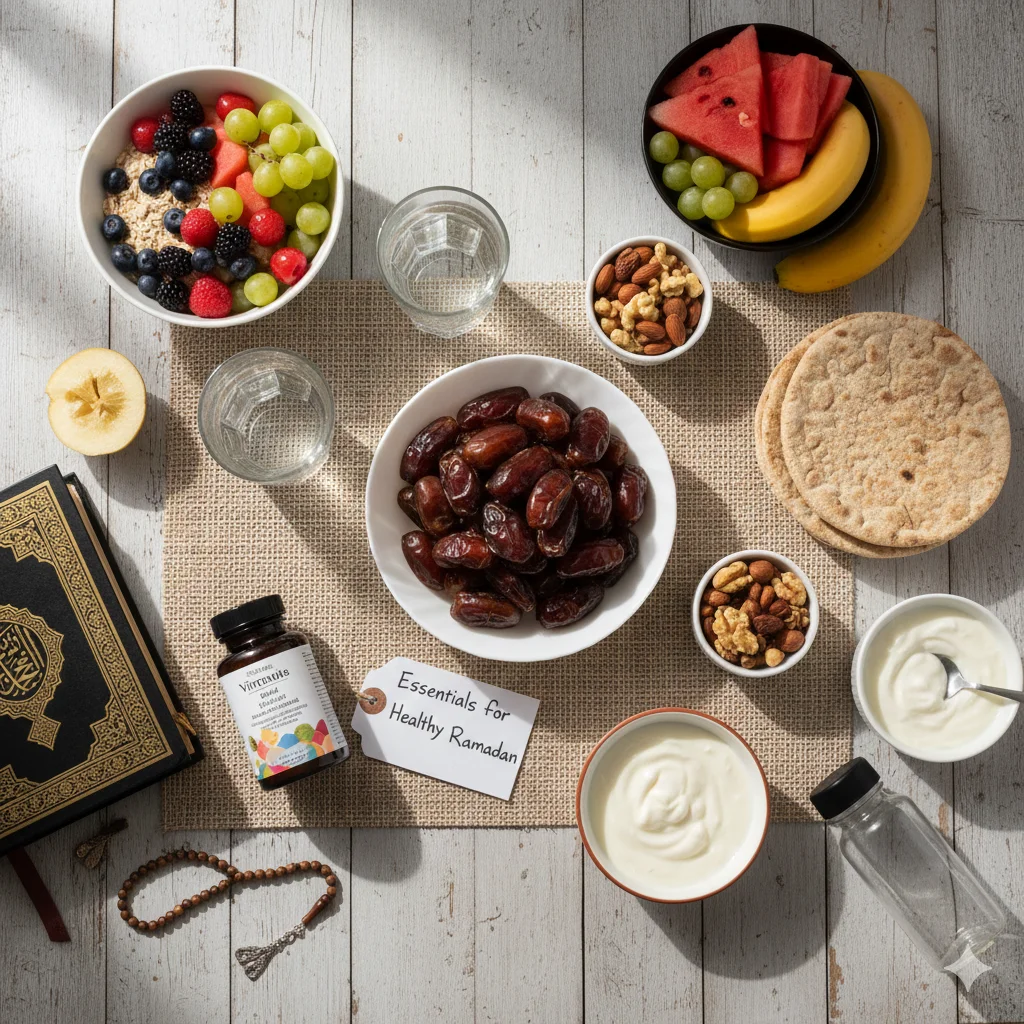
To stay energised, you need the right tools and nutrition. Here is a comparison of essentials to help you manage your routine.
| Product Category | Key Feature | Best For | Benefit |
| Hydration Salts | Electrolyte balance | Hot Summers | Prevents dizziness and fatigue |
| Medjool Dates | Natural sugars & fiber | Iftar | Instant energy boost without a crash |
| Slow-Release Carbs | Oats/Quinoa | Sehri | Keeps you full for 8-10 hours |
| Smart Water Bottles | Time-marked tracking | Post-Iftar hydration | Ensures you hit 2-3L of water intake |
How to Choose the Right Nutrition for Ramadan?
Making an informed choice about what you consume during non-fasting hours is the difference between a productive day and one spent in a "food coma."
Budget Considerations: You don't need expensive "superfoods." Staples like chickpeas, lentils, and seasonal fruits provide excellent nutrition at a low cost.
Product Features (Sehri vs. Iftar): For Sehri, prioritise high-fiber and high-protein foods. For Iftar, prioritise rehydration and natural glucose.
Working Professionals: If you are working long hours, look for portable, nutrient-dense snacks like nuts and seeds that you can quickly consume during the short window between Maghrib and Isha prayers.
Exploring Different Stages of the Ramadan Journey
Ramadan is a marathon, not a sprint. The experience changes as the month progresses:
The First 10 Days (Mercy)
The Ramadan fast for beginners is hardest during the first 10 days as the body adjusts.
Pro Tip: Avoid caffeine withdrawal by gradually reducing coffee intake. Focus on a productive daily morning routine for Ramadan to set the tone.
The Middle 10 Days (Forgiveness)
By now, your metabolism has shifted. This is the time to optimise your sehri and iftar tips. Keep meals light to avoid lethargy during Taraweeh prayers.
The Last 10 Days (Seeking Refuge)
The spiritual intensity peaks. Use energy-dense foods to sustain long nights of worship (Qiyam-ul-Layl).
Popular Reddit Comments: Real Experiences
Here are some Redditors who like to share their experiences with you through comments. Check them out and make your Ramadan fasting experience a bliss.
| Community Name | Comment |
| r/MuslimLounge | I recommend everyone to start the Seerah of the Prophet pbuh series by Yassir Qadhi. It is the best way to prepare for Ramadan. |
| r/DebateReligion | Diet in Ramadan varies, some people act diet during Ramadan or aim to eat healthier while some indulge in the oily foods.In addition people who take medicine don't need to fast. My grandma was on dialysis and she would get drained when fasting. Her fatigue, nausea, hunger and thirst where amplified and she didn't fast during Ramadan.That's because if you physically are so ill or you're pregnant or even nerodivergent people on a particular level (my brother is either level 2 or 3, semi nonverbal and I don't think he'll ever be able to fast) you don't have to fast.It's said In Quran 2:18 telling us that fasting is only for those who are healthy and can recover from challenges like a hard fast or a bad night's sleep showing how that fasting remains a practice of discipline for those who can handle it without harming their health.If your body can't handle it you don't have to fast. But if you're the average Joe you push through the struggle because it's discipline |
Healthy Fasting Tips in Ramadan for Modern Life
1. Managing Hot Indian Summers
Hydration is king. Avoid salty foods during Sehri as they increase thirst throughout the day. Some of the quality hydration tips during Ramadan for you to opt for includes hydrating foods like cucumber, watermelon, and yogurt.
2. Tips for Working Professionals
If you have a demanding job, try to schedule your most intensive tasks for the morning when your energy levels are highest. Take short "prayer breaks" to stretch and rest your eyes.
3. Hydration Strategy
Do not chug a gallon of water at Iftar. Instead, aim for 250ml every hour between Iftar and Sehri to ensure your cells actually absorb the moisture.
Frequently Asked Questions About Ramadan Fasting
No, the fast requires total abstinence from all liquids and solids from dawn until sunset.
The basics include no eating, drinking, or smoking. You must also have the intention (Niyyah) to fast for the sake of God.
Children, the elderly, the physically or mentally ill, pregnant or breastfeeding women, and travelers are generally exempt.
Purposefully eating or drinking, intentional vomiting, and the onset of menstruation break the fast. Accidental eating (if you truly forgot you were fasting) does not invalidate it.